


“The way a team plays as a whole determines its success. You may have the greatest bunch of individual stars in the world, but if they don’t play together, the club won’t be worth a dime.” – Babe Ruth.
As the Babe so succinctly pointed out, there can be little or no success without cooperation. This not-so-startling revelation can of course be applied to any industry, including the fishery.
Another pearl of wisdom on cooperation comes from a man many might consider the Babe Ruth of Atlantic Canadian fisheries journalism, Jim Wellman.
Wellman, a former Navigator managing editor and host of the Fisheries Broadcast, was never reserved when it came to the topic of cooperation, or lack thereof, in the fishery.
Prior to his retirement in 2014 and in penning his last editorial in The Navigator, Wellman summed it up clearly, after covering the fishery for nearly four decades, as to why this industry has not realized the commercial success of other jurisdictions, such as Norway and Iceland.
“The answer is simple. We don’t trust each other and if we can’t get beyond that mistrust and paranoia, we will be forever mired in muck spinning our wheels because building a brand needs everyone’s input and cooperation. Otherwise, most of the Atlantic Canadian fishing industry will plod on, operating at half its potential. Sadly though, I seriously doubt if anything will change soon because it’s not just about fishermen not trusting buyers and processors or it’s not as simple as the Newfoundland and Labrador government not trusting the Maritimes, it’s more complex than that. Fishermen don’t trust each other, and processors are frightened to death to share the tiniest idea, afraid the other fellow will steal it and run. Knowing that the fishing industry can perform far better for everyone is why it’s frustrating to see tens of millions of dollars left on the fish table every year. What a pity.”
It is hard to sum it up much better than that. It is hard for anything, especially something as complex and diverse as the Atlantic Canadian fishery, to succeed without trust and cooperation. It is hard to fight and win a war if you don’t trust that the soldier in the adjacent foxhole has your back. Mistrust simply breeds contempt.
For any industry to reach its absolute potential, it must have clear and open guidelines and regulations — and those have to be respected and followed cooperatively by all involved.
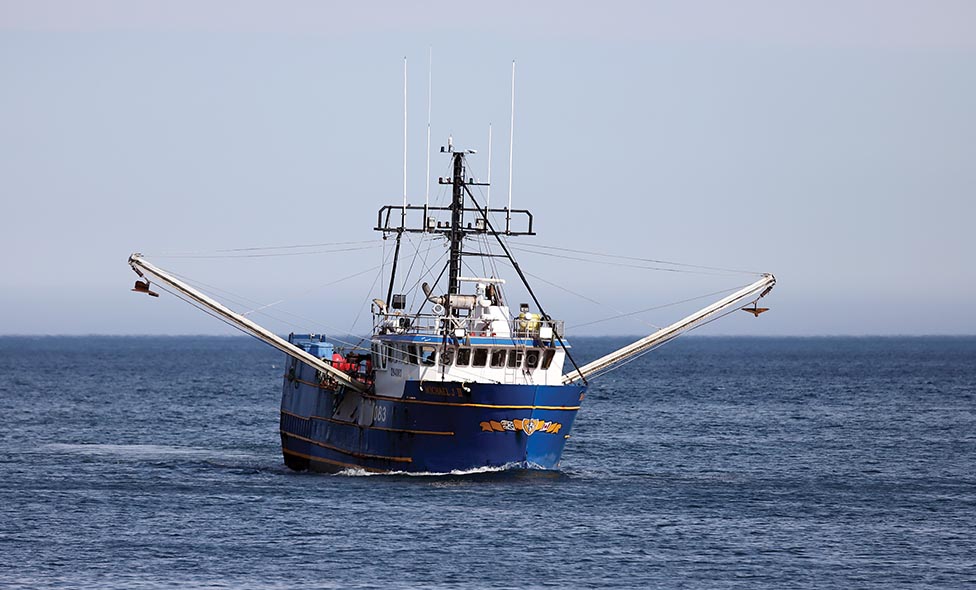
This very premise was one of the themes of a nationwide survey commissioned by a coalition of fishing organizations from eastern Canada.
The recent survey, conducted by Nanos Research, found that the vast majority of Canadians want fisheries where everyone respects fishing regulations and that those regulations are properly enforced by the federal Department of Fisheries and Oceans (DFO).
“Some individuals are openly breaking the rules meant to keep our fisheries healthy and sustainable,” said Maritime Fishermen’s Union President Gaetan Robichaud, one of the 13 organizations that commissioned the survey.
“We need the Government of Canada to protect the public good. That means cracking down on all fishing outside of government-established fishing seasons immediately. Inaction puts the future of the fisheries at risk for everyone,” added Colin Sproul of the Bay of Fundy Inshore Fishermen’s Association.
The survey indicated that the general public is on the same page as the fishing organizations in that 89 per cent believe it is important to ensure everyone respects fishing regulations based on sustainability and over 80 per cent said DFO rule enforcement is important.
“Canadians would be shocked to learn that the Government of Canada is inconsistent in enforcing its own rules meant to protect the fisheries. Licensed fishermen who respect the rules are witnessing government inaction. It must end,” noted Bernie Berry of the Coldwater Lobster Association.
The survey also found that negotiations between industry stakeholders is another key area where nearly 80 per cent of Canadians agree.
The results indicated that many are looking for the government, Indigenous leaders and fishing organizations to negotiate directly together to manage fisheries.
“Our coalition of fishing organizations in Atlantic Canada and Quebec are ready to be at the table to talk directly with the government and Indigenous leaders today to create a positive future for the fisheries for everyone,” stated Prince Edward Island Fishermen’s Association president Bobby Jenkins.
“Sadly, our calls for the government to convene the key players directly has fallen on deaf ears but it’s not too late and we welcome action from the government,” according to O’Neil Cloutier of the Regroupement des pêcheurs professionnels de sud de le Gaspésie in Québec.
This call to action and willingness to sit down and discuss the ongoing issues of the fishery is a positive step forward. However, along with harvesters, DFO and Indigenous leaders, two additional groups must be represented at the negotiation table — provincial governments and seafood processors.
For the novel concepts of open dialogue and cooperation to work, not only do all stakeholders have to be together in the same room to plan for the fishery of the future, but one key element has to present as well — the element of trust.
As Jim Wellman so concisely framed this situation, we can talk until the cows come home, but none of this works without trust.
For this fishery in Atlantic Canada to succeed and grow, especially during this new strange and uncertain pandemic reality we all find ourselves in, all key players have to know that they can work together to forge this new path and trust each other along the way.
As Ernest Hemingway once said, “The best way to find out if you can trust somebody is to trust them.”
The coalition of fishing organizations that commissioned the survey included:
- Regroupement des pêcheurs professionnels du sud de la Gaspésie
- Maritime Fishermen’s Union (MFU)
- PEI Fishermen’s Association (PEIFA)
- Fundy North Fishermen’s Association (FNFA)
- Cape Breton Fish Harvesters Association (CBFHA)
- Coldwater Lobster Association (CLA)
- Bay of Fundy Inshore Fishermen’s Association (BoFIFA)
- Scotia Fundy Inshore Fishermen’s Association (SFIFA)
- Brazil Rock 33/34 Lobster Association
- Gulf Nova Scotia Bonafide Fishermen’s Association (GNSBFA)
- Guysborough County Inshore Fishermen’s Association (GCIFA)
- Eastern Shore Fishermen’s Protective Association (ESPFA)
- Gulf Nova Scotia Fleet Planning Board (GNSFPB)


